

From Science to Implementation: A Reflection on My 3 Days at the 2026 UNFCCC Bonn Conference

By Alexandra Herrlin, Open Dialogues International Foundation
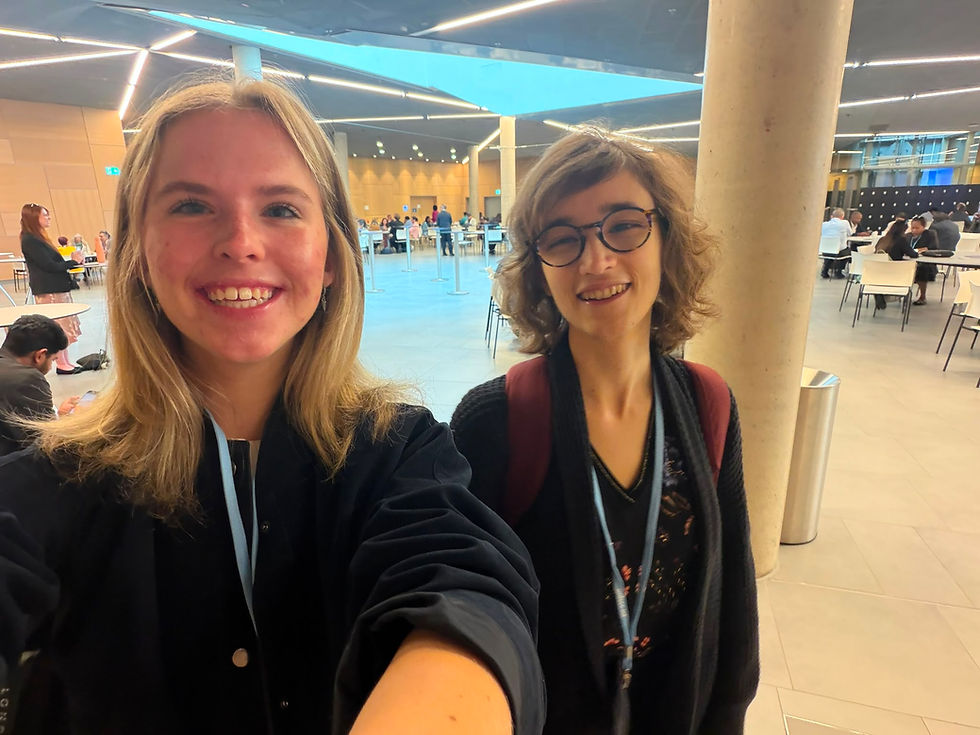
Whilst of smaller scale compared to COP, this conference - and my personal first experience at a UN conference - laid the foundation for the negotiations that will take place at COP31. Hundreds of delegates, negotiators, scientists, youth advocates and civil society organisations convened together for the 64th Sessions of the Subsidiary Bodies to make progress together in various discussion topics. The preliminary discussions in the first three days that I attended ranged from highly technical debates to more passionate advocacy for more ambition. Ultimately from it all, one message surfaced repeatedly throughout the week: climate action has entered a new phase. The challenge is no longer knowing what needs to be done. It is ensuring countries can deliver it quickly, fairly, and at the scale required.

This urgency mentioned was best conveyed during a Presidency event, where the COP31 President of Negotiations Chris Bowen reminded delegates:
"It feels like we have plenty of time. My friends, we do not. We are just 43 months away from 2030. What we do between now and then matters enormously. We must proceed with speed, urgency and ambition. We must make COP31 the COP of implementation and acceleration."
The Scientific Signals Versus the Actual Implementation
A memorable day 1 event that I attended followed the implications of the overshoot for the cryosphere. Listening to Dr. Lillian Schuster and Dr Bill Hare (CEO of Climate Analytics) reinforced that every fraction of a degree - and every year of overshoot - increases long-term loss. However, rather than solely focusing on these alarming projections, it emphasised opportunity. We have a glimpse of hope which was expressed with a cautious optimism - that we have an opportunity through our rapid progress in renewables that is being seen. Now, we must navigate how to quickly deploy this type of energy at a pace that can reduce emissions before we cross all nine planetary boundary (climate) tipping points.
The Rise of Electrification
If one theme consistently appeared across multiple sessions as a central pillar on the COP31 agenda and for international climate policy, it was electrification.
This was notably mentioned by both the COP30 and COP31 Presidencies, framed as a defining opportunity of this decade if installed correctly, with the power to transform how transport, industry, buildings and entire economies consume energy.
Looking Beyond "Green" Labels

Not all discussions focused on the expansion of climate solutions. For example, a press conference hosted by the Global Forest Coalition questioned the sustainability of biomass energy, highlighting concerns over deforestation and biodiversity loss. The session underscored a crucial lesson from SB64: not all low-carbon solutions are equally sustainable, and climate policies must consider their environmental impacts.
Securing a Successful Just Transition Requires Far More Than Ambition
Another consistent theme throughout these preliminary days was a great emphasis on implementation. Discussions on the UAE Just Transition Work Programme focused on how climate policies can support workers, vulnerable communities and carbon-intensive industries through the transition to a low-carbon economy. Conversations have now clearly shifted to how governments can effectively operationalise it, turning its principles into practical policies and investment.
The Rise of Electrification Looking Beyond "Green" Labels Central Themes Emerging from SB64
Whilst negotiations were more foundational and are most certainly still underway on the road

to COP31, there were several evident priorities across the sessions that I attended for these first - you could say, opening - three days.
Electrification is becoming a central strategy for decarbonising transport, industry and energy systems.
Climate finance remains fundamental to turning ambition into action.
Circular economy initiatives, zero waste and resilient cities are also gaining momentum.
Above all, one message was constant: the science is clear, and implementation, not ambition alone, will define progress in this decisive decade.
My Ultimate Reflection From These First 3 Days
Not only was this experience a privilege to attend these discussions first hand, but it was a real eye-opener for the complexity and layers of our global climate governance and the scale of collaboration required to drive meaningful change. I left Bonn with renewed optimism: whilst the scale of our climate challenge is undeniable, so too is the commitment of those working to address it. This Road to COP31 will not be defined by our so-called promises, but by our collective ability to translate our clear ambition into concrete action.
~Alexandra


Comments